On May 15, the 2025 Annual Academic Committee Meeting of the State Key Laboratory of Operation and Control of New-Type Power Systems at Tsinghua University (hereinafter referred to as “the Laboratory”) was grandly convened in the A278 Multifunction Hall of the Lee Shau Kee Science and Technology Building at Tsinghua University. The meeting brought together numerous experts and scholars from academia and industry to review the Laboratory’s annual progress and discuss frontier technologies and future development directions in the field of new-type power systems.
The opening ceremony was chaired by Professor Kang Chongqing, Dean of the Department of Electrical Engineering at Tsinghua University. Kang Chongqing extended a warm welcome to the attending experts and introduced the participants. Attendees included Tang Guangfu, Academician of the Chinese Academy of Engineering and Chair of the Laboratory’s Academic Committee; Wang Chengshan, Academician of the Chinese Academy of Engineering and Vice Chair of the Committee; as well as committee members including Academicians Liu Jizhen, Wang Qiuliang (online), and Rao Hong, together with Professors Yang Qingxin, Ju Ping, Liao Ruijin, Wen Jinyu, Li Zheng, and Kang Chongqing. University representatives attending the meeting included Professor Zeng Rong, Executive Vice President of Tsinghua University; Liu Yiqun, Director of the Office of Scientific Research; Wang Jinting, Deputy Director of the State Key Laboratory Management Center; and Professor Tian Yu, Dean of the Institute for Interdisciplinary Information Sciences at Tsinghua University. Invited experts including Academician Han Yingduo (online) and Academician Sun Hongbin, along with more than 70 core members of the Laboratory including Director Min Yong and Deputy Directors Cheng Lin, Xu Fei, and Zhang Bo, participated in the meeting both online and offline.
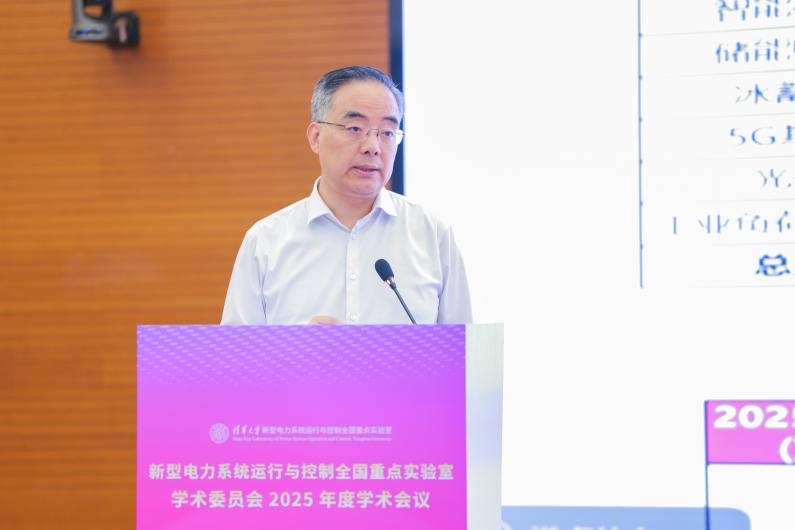
Kang Chongqing Chairs the Opening Ceremony
Professor Liu Yiqun, Director of the Office of Scientific Research, delivered a welcome address on behalf of the University. Liu Yiqun pointed out that 2026 marks the opening year of China’s 15th Five-Year Plan period and also a critical year for the transition of new-type power systems from “blueprint planning” to “comprehensive implementation.” He reviewed the breakthrough progress achieved by the Laboratory over the past year in areas such as system security control, major equipment, and fundamental components, expressed gratitude for the long-term guidance and support provided by the committee members, and invited them to offer valuable suggestions for the Laboratory’s next-stage development planning.
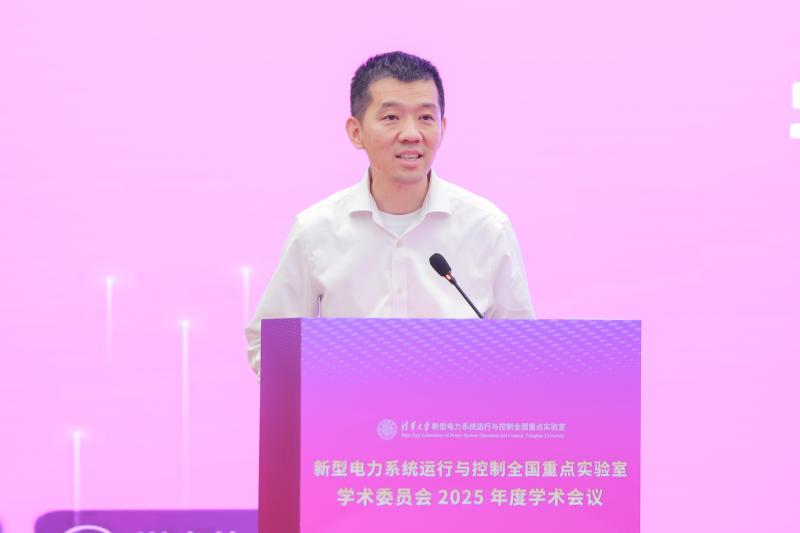
Liu Yiqun deliveres a welcome address
Professor Tang Guangfu, Academician of the Chinese Academy of Engineering and Chair of the Laboratory Academic Committee, presided over the meeting. Professor Min Yong, Director of the Laboratory, delivered the 2025 annual work report, focusing on three aspects: an overview of the laboratory’s development, representative annual progress, and reform and development initiatives. He also solicited committee members’ opinions regarding the upcoming national evaluation, breakthroughs in core research directions, and the construction of the Nankou base.
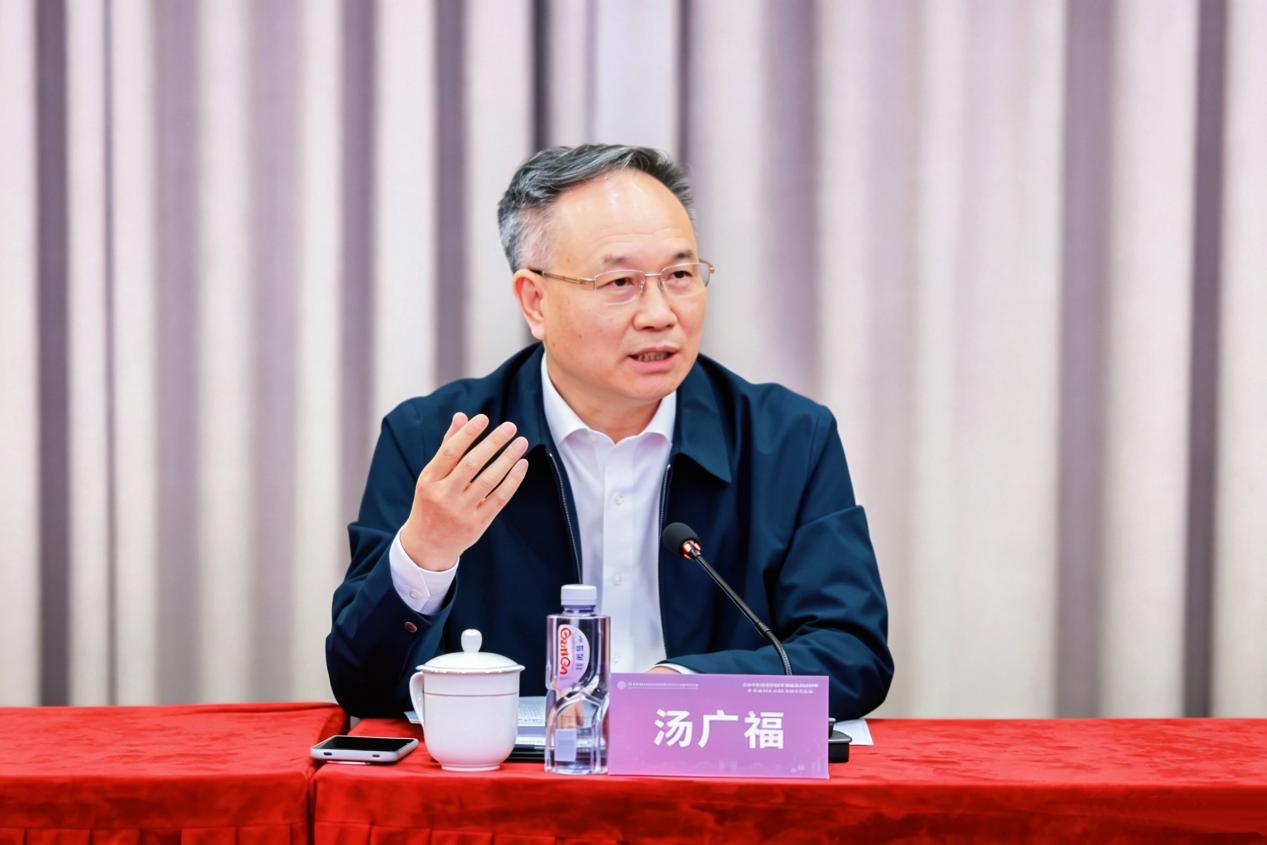
Tang Guangfu presides over the meeting
Min Yong introduced the laboratory’s major achievements over the past year along the main line of “system leadership, equipment support, and device/material underpinning.” At the system level, the laboratory established the theory of power-system carbon emission flow analysis; at the equipment level, it successfully developed a 100 MW-class dynamically reconfigurable battery energy storage system; and at the device and materials level, it achieved breakthroughs in wide-bandgap power devices and advanced packaging technologies. Meanwhile, construction of the National Key Laboratory base in Nankou, Changping has accelerated significantly, with multiple core laboratories already commencing operations on site, marking a solid step forward in building a full-chain innovation system spanning “systems–equipment–devices.”
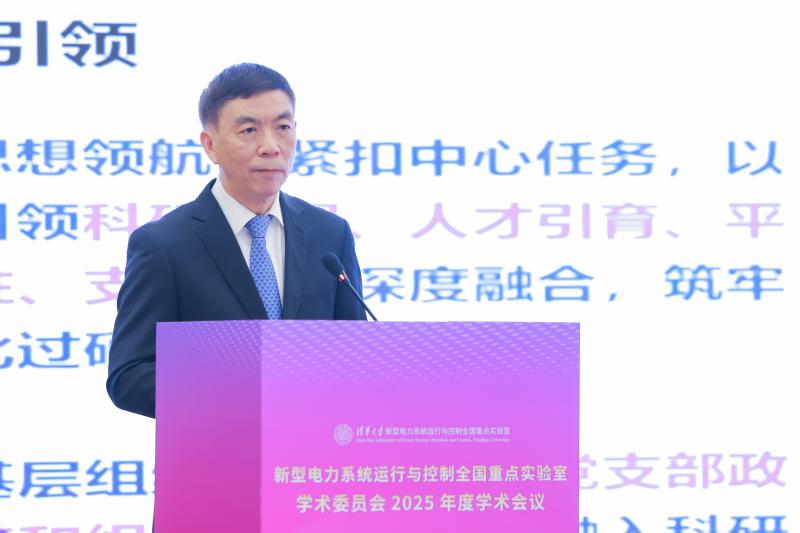
Min Yong presents the work report
During the meeting, Professor Zeng Rong, Professor Kang Chongqing, Research Fellow Chen Lei, and Professor Wang Zhe delivered thematic presentations on four academic achievements: Development and Application of IGCT Devices for New Ultra-/UHVDC Transmission Systems, Key Technologies and Practices of Virtual Power Plants, Fixed-Frequency Grid-Forming and Active Power Control Technologies for Novel Modular Power Systems, and Precise Quantification and Applications of Laser-Induced Breakdown Spectroscopy Based on First Principles and Problem Orientation. These presentations fully demonstrated the laboratory’s innovative breakthroughs in key technological fields, including core equipment for new power systems, system regulation and control, and advanced measurement technologies.
The attending academic committee members highly commended the laboratory’s annual achievements, noting that the laboratory has maintained a clear strategic direction, delivered substantial achievements, and established a strong platform foundation, sustaining its position as an industry benchmark. The experts recommended that the laboratory further refine landmark achievements in line with its strategic positioning and highlight its strengths as a leader in specific areas; strengthen original innovation and alignment with major national needs; improve organized scientific research and institutional mechanisms while clarifying the boundaries among achievements, personnel, and projects; and focus on its core mission while making comprehensive preparations for the upcoming evaluation.
In his concluding remarks, Academician Tang Guangfu stated that the laboratory remains firmly focused on major national strategic needs, pursuing pragmatic breakthroughs with strong technological depth. He suggested that the laboratory benchmark itself against world-class institutions, break down isolated efforts, integrate resources, and concentrate on producing landmark achievements; maintain focus on its core mission while fully preparing for the evaluation process; strengthen supporting materials and demonstrate hard-core capabilities; strive for national-level awards; and further consolidate its benchmark status within the field.
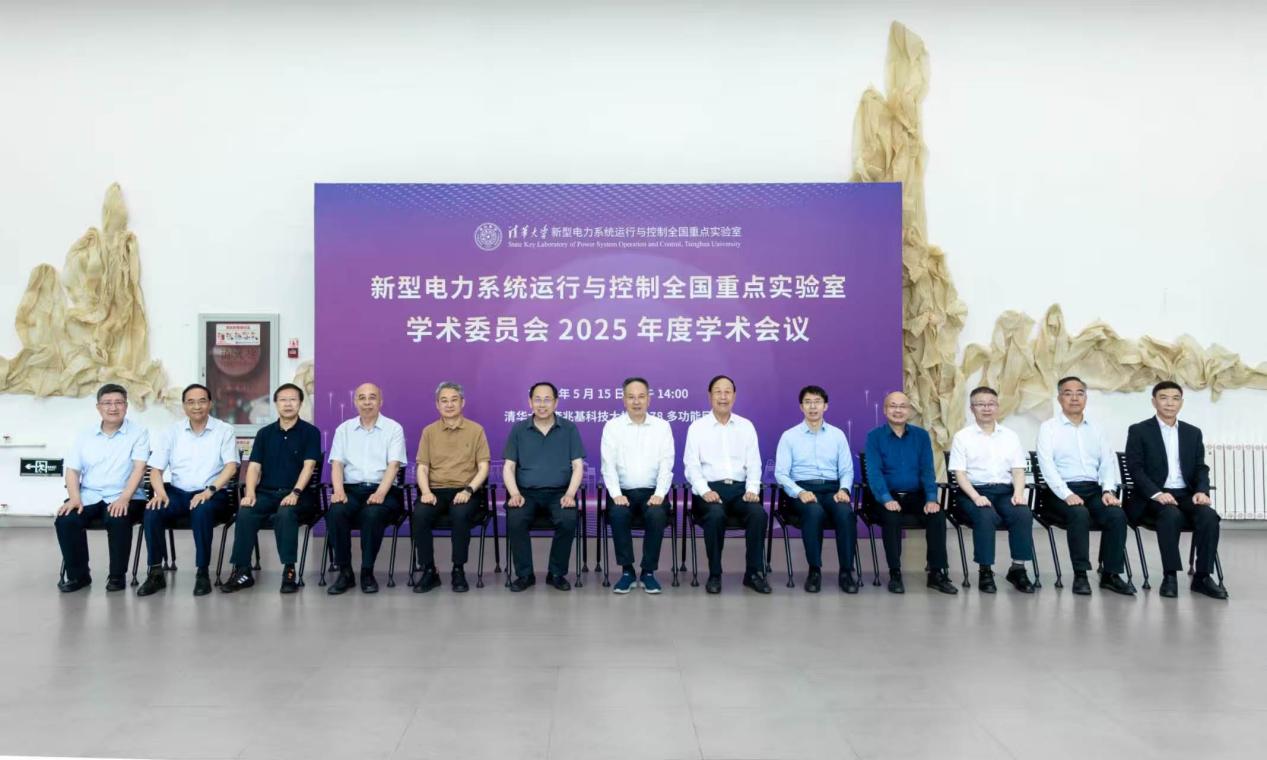
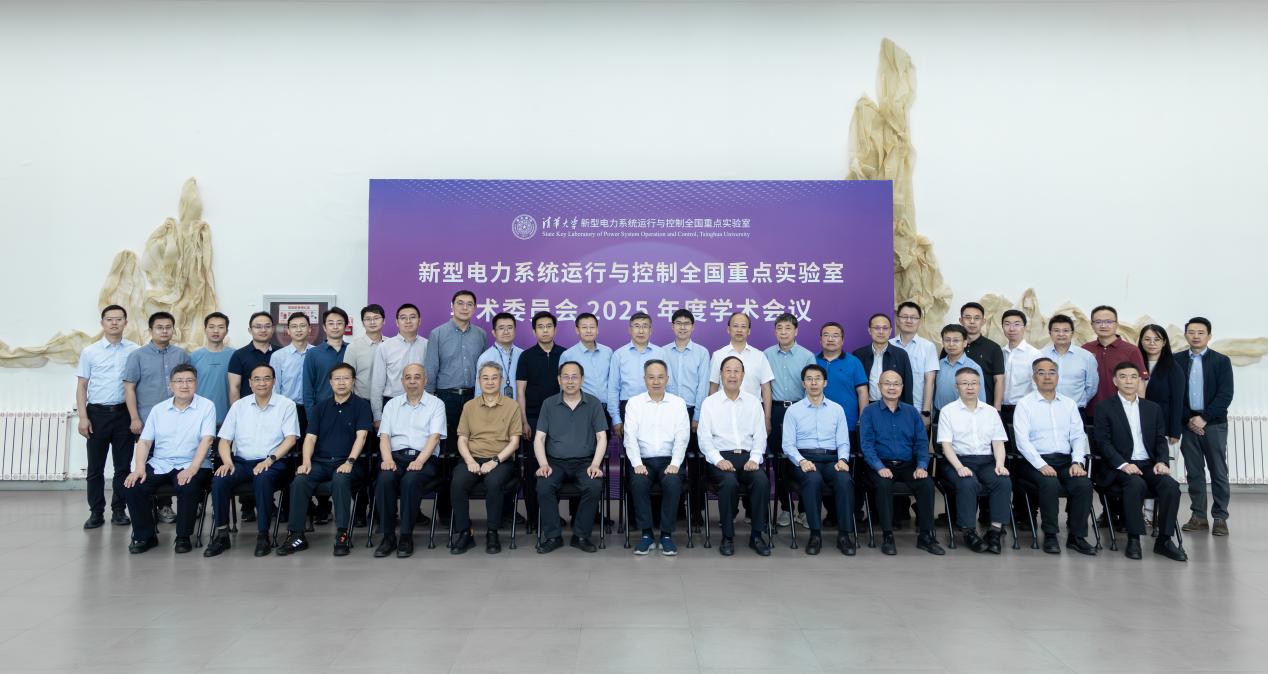
Group photo of participants


 News & Events