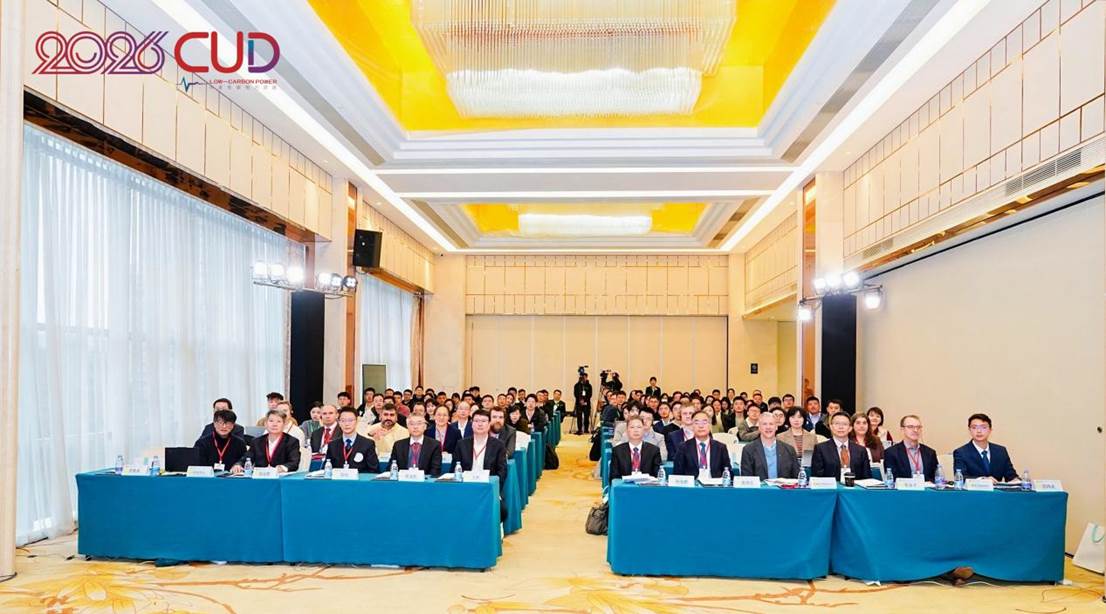
From January 22 to 23, the second “China–US Low-Carbon Power Dialogue,” hosted by the China Energy Research Society, Tsinghua University, and South China University of Technology, and organized by the Southern Power Grid Power Market Research Center, was successfully held in Guangzhou. Experts and scholars from research institutions, universities, and power enterprises in China and the US attended the event, engaging in extensive exchanges on the latest policies, market planning, and mechanism design under the context of China–US low-carbon power development.
Chen Yunpeng, Vice President of the China Energy Research Society; Wang Jian, Deputy General Manager of the Marketing Department of Southern Power Grid; Kang Chongqing, Dean of the Department of Electrical Engineering, Tsinghua University; Tang Wenhu, Dean of the School of Electric Power, South China University of Technology; and Zhang Yongping, Director of the Clean Power Program, Energy Foundation, attended the meeting and delivered speeches. The opening ceremony was hosted by Associate Researcher Guo Hongye from the Department of Electrical Engineering, Tsinghua University.
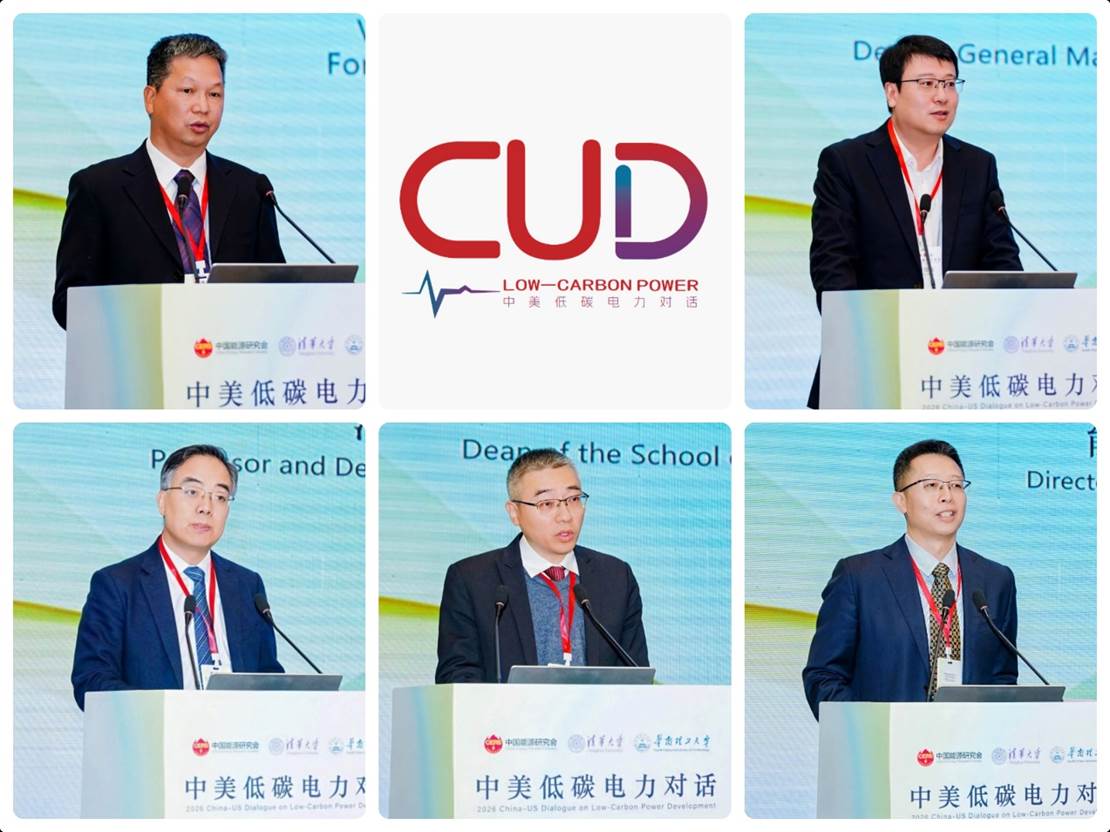
Prominent American experts and scholars including Professor Daniel Kammen (Johns Hopkins University), Rob Gramlich (Chairman, Grid Strategies), Erik Ela (Director, System Operations and Power Markets, ESIG), Professor Lang Tong (Cornell University), Professor Ramteen Sioshansi (Carnegie Mellon University), Associate Professor Yury Dvorkin (Johns Hopkins University), Associate Professor Johanna Mathieu (University of Michigan), and Chief Expert Jeremy Hargreaves (Evolved Energy Research) participated and delivered keynote speeches.
Over 100 Chinese experts and scholars from Southern Power Grid Corporation, Guangzhou Power Exchange Center, China Electric Power Research Institute, Tsinghua University, Xi’an Jiaotong University, South China University of Technology, China Energy Research Society, Energy Foundation, and National New Energy Storage Innovation Center attended the meeting.
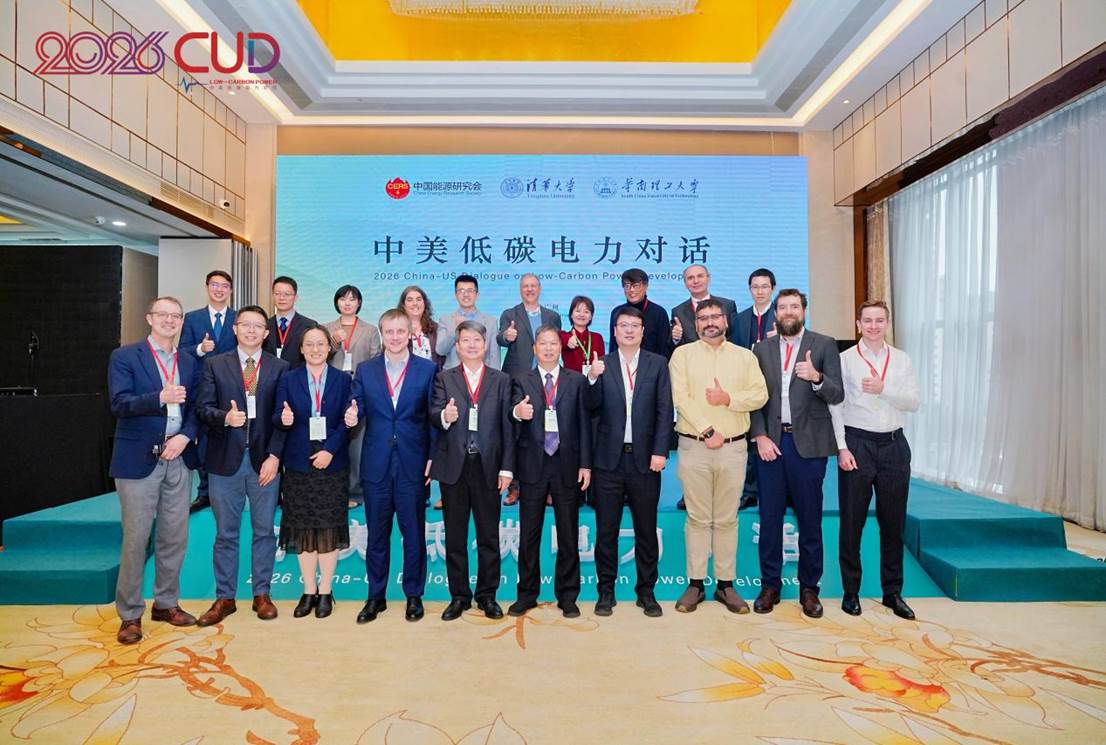
The dialogue featured four main topics: “Policy and Market Design to Promote Clean Power Production, Transmission, and Consumption,” “Planning and Market Practices Supporting Low-Carbon Flexibility and Resource Adequacy,” “Market Design for Power Systems with High Proportion of Renewable Energy,” and “Energy System Planning and Operation Considering Demand-Side Coordination.” During the event, Chinese and US experts conducted discussions through keynote reports, roundtables, interactive Q&A, and informal exchanges, focusing on topics including China–US power market progress and prospects, national unified power market construction, policies for clean power transition, resource adequacy and flexibility, and supply-demand interactions.
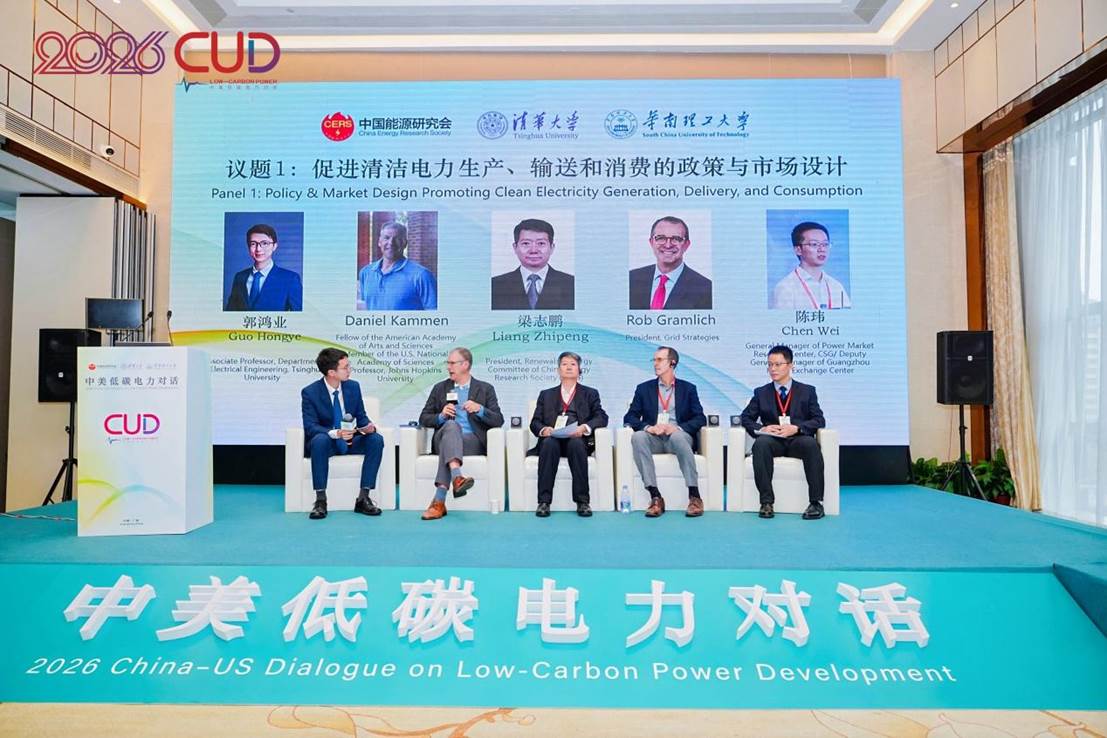
Topic 1, “Policy and Market Design to Promote Clean Power Production, Transmission, and Consumption,” was chaired by Guo Hongye from Tsinghua University. In the keynote reports, Professor Daniel Kammen introduced global cooperative experiences in building clean energy systems and energy justice. Rob Gramlich provided a detailed review of the main characteristics and development direction of the US power market. Chen Wei, General Manager of the Southern Power Grid Power Market Research Center and Deputy General Manager of Guangzhou Power Exchange Center, reviewed the development and reform experience of the Southern regional power market and outlined future directions for regional power market construction. The roundtable discussion also specially invited Liang Zhipeng, Chair of the Renewable Energy Committee of the China Energy Research Society, who engaged in in-depth exchanges on China–US clean energy transition policy and market design.
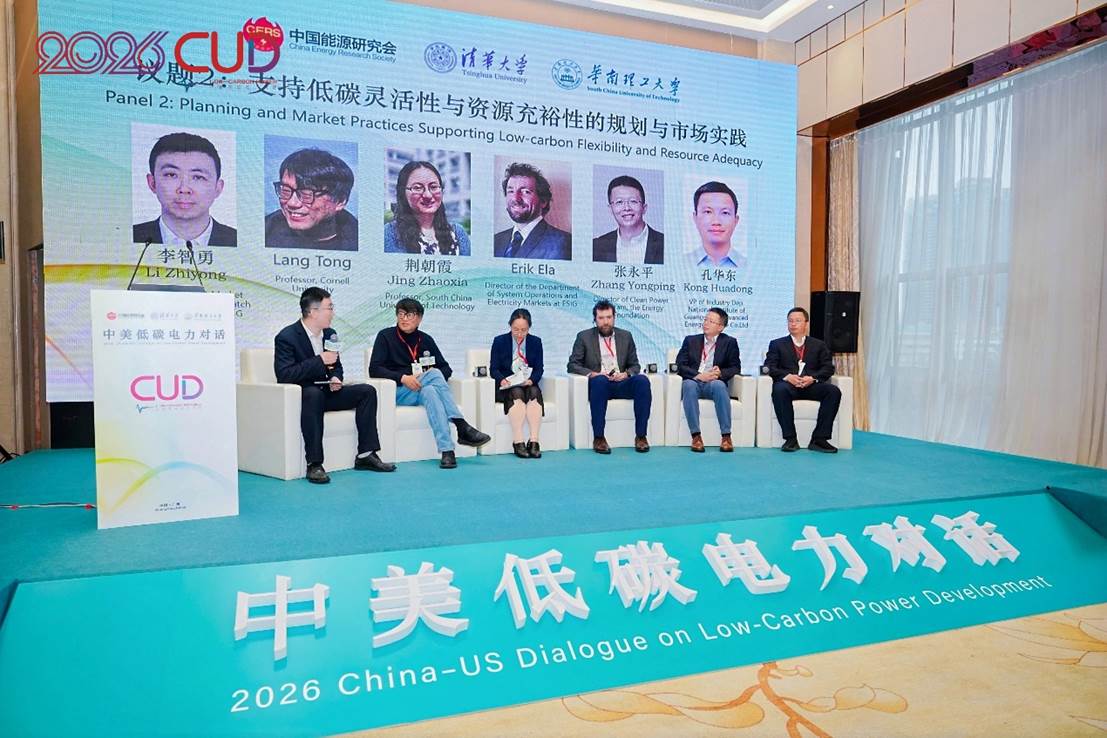
Topic 2, “Planning and Market Practices Supporting Low-Carbon Flexibility and Resource Adequacy,” was chaired by Li Zhiyong, Manager of the Southern Power Grid Dispatching Center. In the keynote reports, Erik Ela outlined global power market organizational structures and introduced capacity market design and organizational procedures, while Professor Lang Tong discussed the impact of source-load coordination in data centers on capacity adequacy. Professor Jing Chaoxia from South China University of Technology explored the interaction between power market system optimization design and government decision-making from a system dynamics perspective, and Chen Jiongcong from the National Energy Storage Innovation Center provided a detailed introduction to the strategic value and commercial operation model of China’s new energy storage. The roundtable discussion also invited Dr. Zhang Yongping, Director of the Clean Power Program at the Energy Foundation, and Kong Huadong from the National New Energy Storage Innovation Center to discuss definitions and support mechanisms for capacity adequacy and flexibility in China and the US.
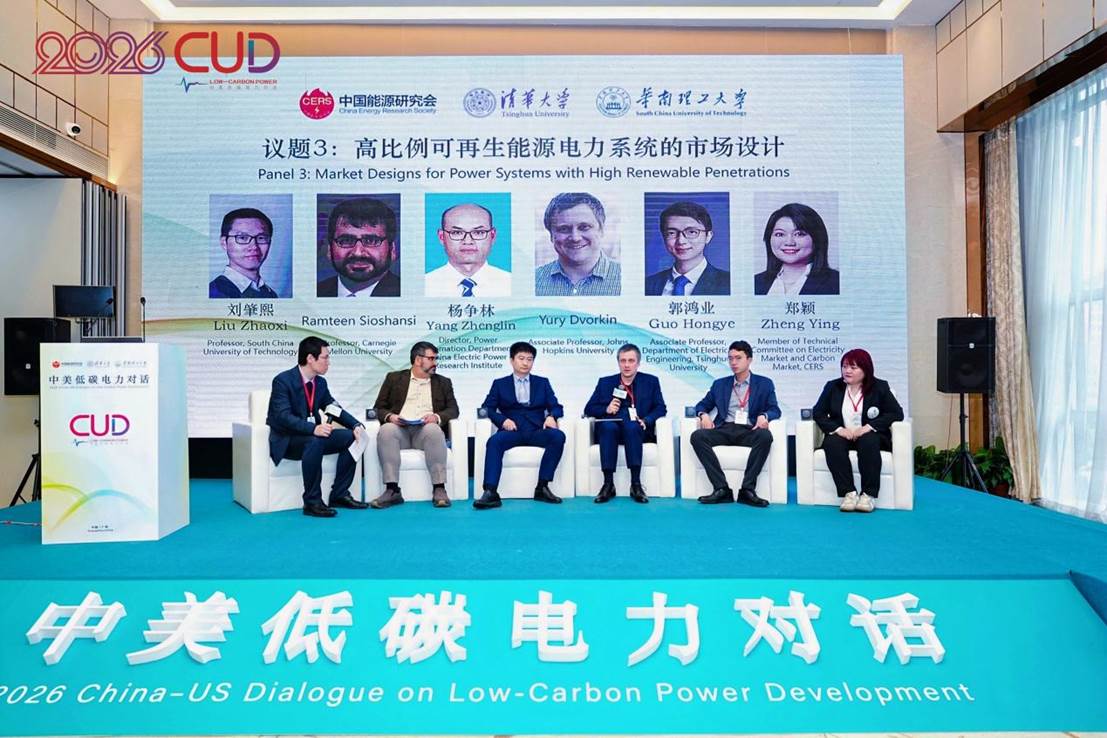
Topic 3, “Market Design for Power Systems with High Proportion of Renewable Energy,” was chaired by Professor Liu Zhaoxi from South China University of Technology. In the keynote reports, Professor Ramteen Sioshansi explained the applicability of marginal pricing theory under high renewable energy penetration, and Associate Professor Yury Dvorkin elaborated on the importance of focusing on modeling quality rather than quantity in power system planning and market policy design. Zheng Yaxian from the Automation Institute of China Electric Power Research Institute comprehensively introduced his team’s research achievements in national unified power market design, simulation, and improvement processes. Associate Researcher Guo Hongye summarized the current status, causes, and evolution of negative electricity prices internationally and domestically. The roundtable also invited Zheng Ying, member of the Power Market and Carbon Market Committee of the China Energy Research Society, to discuss high renewable penetration market design, green certificate pricing, negative pricing mechanisms, and renewable energy market participation.
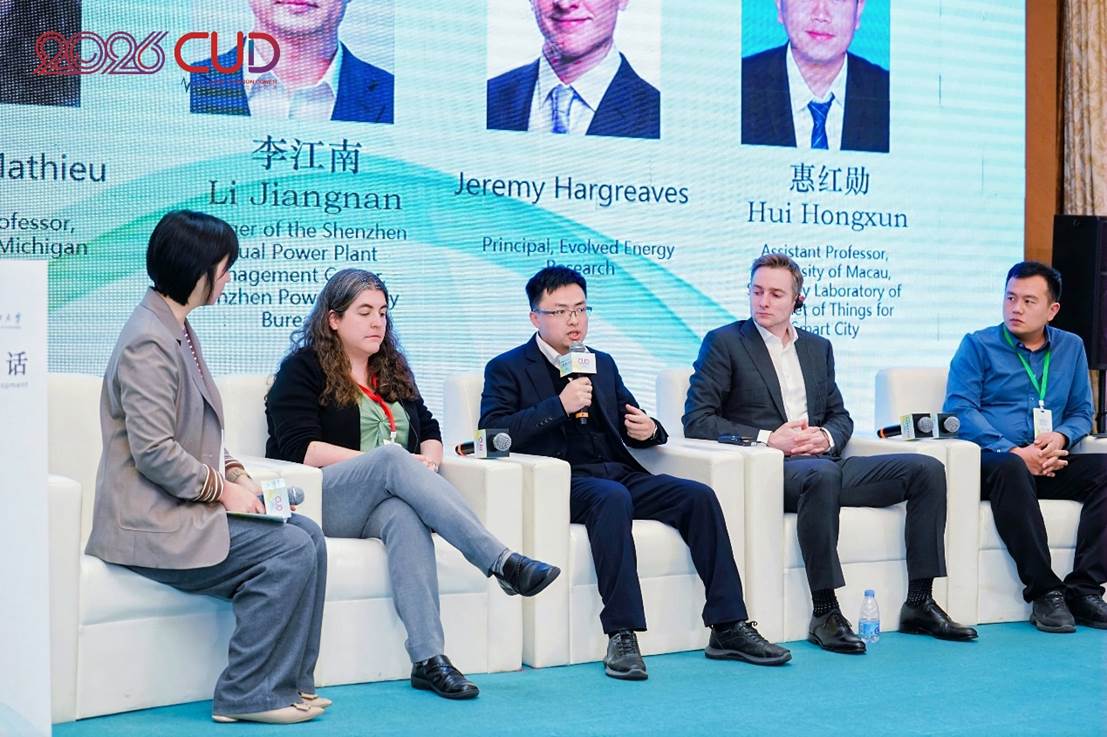
Topic 4, “Energy System Planning and Operation Considering Demand-Side Coordination,” was chaired by Li Zhuo, Program Director of Clean Power, Energy Foundation. In the keynote reports, Associate Professor Johanna Mathieu introduced the roles of various demand-side response definitions in unlocking distributed resource value under high renewable energy penetration, and Dr. Jeremy Hargreaves presented quantitative results on the impact of US renewable energy policy shifts on energy system development. Dr. Li Jiangnan from Southern Power Grid Shenzhen Power Supply Bureau provided a detailed account of the successful practice and technology development of Shenzhen’s virtual power plant, while Manager Tang Run from Guangzhou Power Supply Bureau introduced related policies and practices for vehicle-grid interaction in Guangzhou. The roundtable also invited Assistant Professor Hui Hongxun from the Smart City IoT National Key Laboratory, University of Macau, to participate. Chinese and US participants engaged in a lively discussion on maximizing demand-side response value from residential, commercial, and electric vehicle sectors and the future development of virtual power plant technologies.
This event provided a high-level exchange and cooperation platform for academia and the energy power industry in China and the US, breaking communication barriers in green power development and enabling substantive discussion on common challenges in low-carbon power. Experts agreed that China and the US, as the world’s top two countries in power generation and consumption, benefit from maintaining dialogue in low-carbon power development, which holds both practical value and long-term significance. They will continue to collaborate in pursuit of global carbon reduction and climate goals.
Media and academic platform support acknowledgments: China Energy News, Southern Energy Observer, Power Grid Technology, Electric Power Systems Automation, Journal of Modern Power Systems and Clean Energy.
Introduction to Southern Power Grid Power Market Research Center:
Established in November 2025, the Southern Power Grid Power Market Research Center is a key initiative to integrate Southern Power Grid into the construction of the national unified power market, fully support national market planning and deployment, and strengthen forward-looking research and planning capabilities. Adhering to its positioning of “serving national strategy and leading industry progress,” the center focuses on frontier research and decision support in the power market field, contributing Southern Power Grid expertise to national unified market construction and high-quality energy power development.


 News & Events