On January 20th, the international symposium for the integrated project "Fundamental Theories and Methods for Low-Carbon Power Dispatch with Main Grid-Distribution Network-Microgrid Coordination," led by Tsinghua University under the National Natural Science Foundation of China (NSFC) - Enterprise Innovation Development Joint Fund, was successfully held in Hong Kong during the inaugural 2026 IEEE Power & Energy Society International Meeting. Centered around two core themes—"Hierarchical and Zonal Aggregation Control for High-Penetration Distributed Renewable Energy Systems" and "Coordinated Low-Carbon Operation of Main Grids, Distribution Networks, and Microgrids"—the symposium gathered top scholars from the global energy and power sector. Two dedicated panel discussion sessions were organized, injecting cutting-edge ideas and international experience into the project's research. Professor Kang Chongqing from Tsinghua University, the project leader, delivered a welcome speech and elaborated on the positioning and value of "low-carbon power dispatch coordinating main grids, distribution networks, and microgrids" in alignment with the project's research objectives.
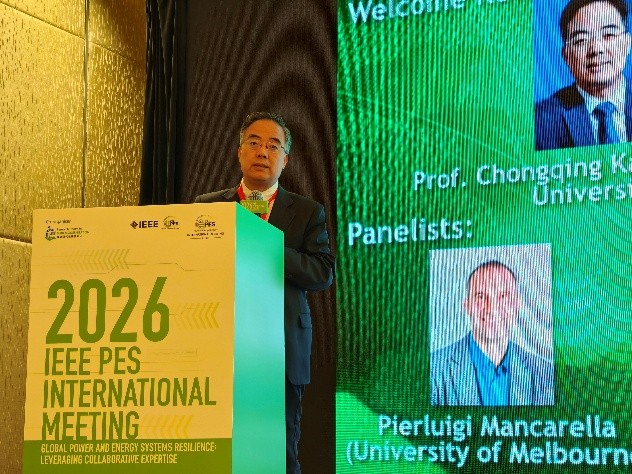
Morning Session: Hierarchical and Zonal Aggregation Control and Stable Operation for High-Penetration Distributed Renewable Energy Systems
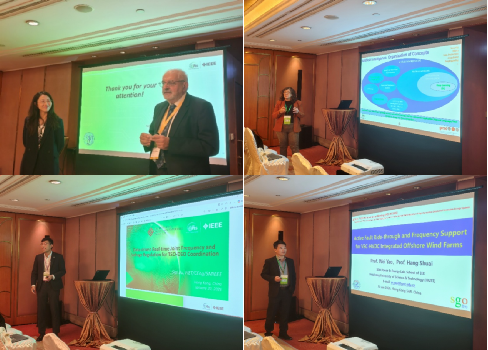
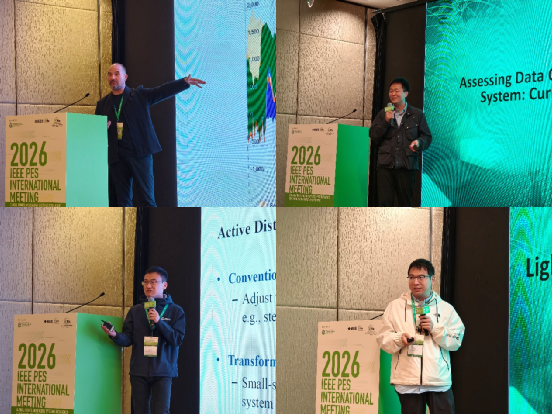
The first thematic forum was chaired by Professor Liu Yanli from Tianjin University, leader of the project's third sub-task. Renowned experts, including Professor Nikos Hatziargyriou from the National Technical University of Athens, Professor Zita Vale from the Porto Polytechnic Institute in Portugal, Professor Bu Siqi from The Hong Kong Polytechnic University, and Professor Shuai Hang from Huazhong University of Science and Technology, delivered keynote speeches.
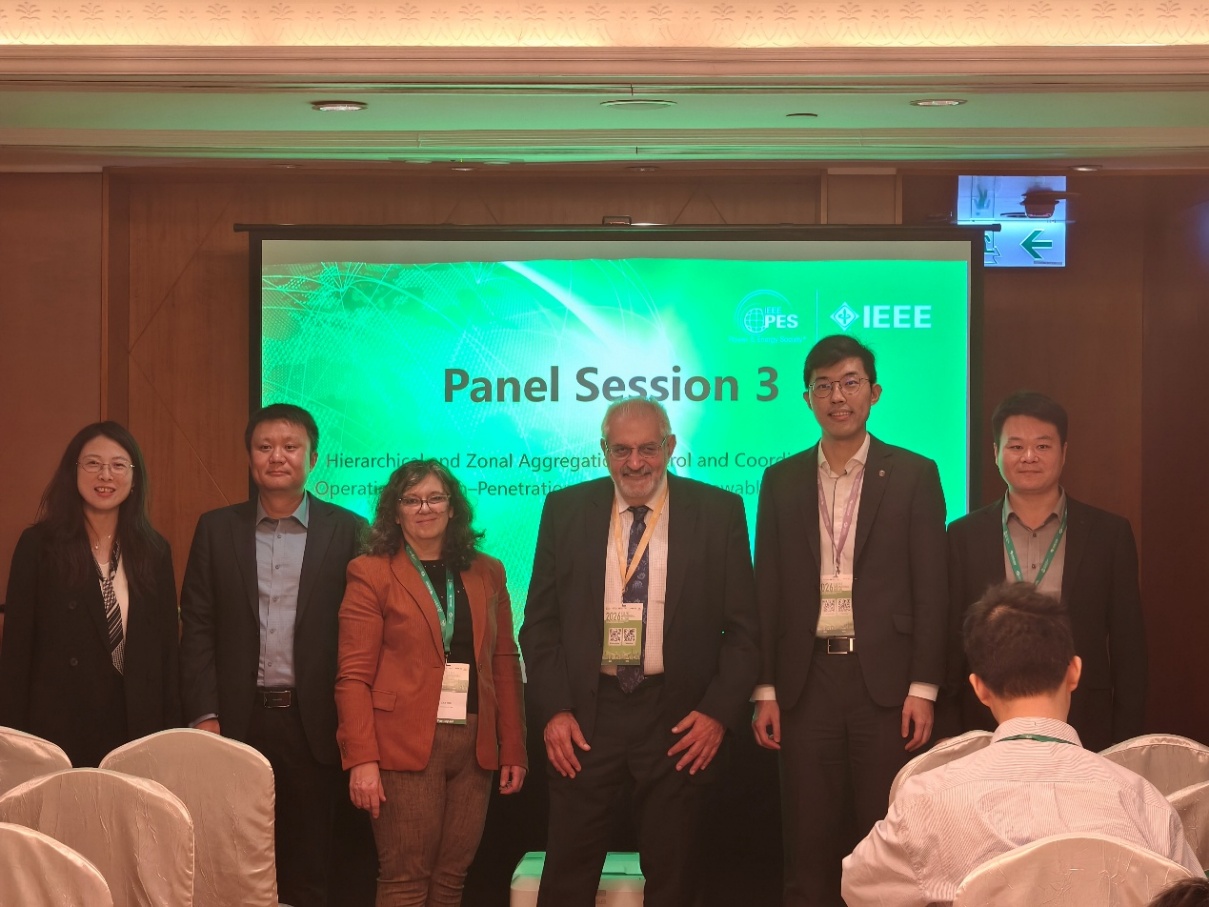
Professor Nikos Hatziargyriou shared application pathways for distributed energy resource flexibility, drawing insights from the major blackout event in Spain. Professor Zita Vale introduced how artificial intelligence methods can support the secure operation of high-penetration distributed renewable energy systems. Professor Bu Siqi presented a data-driven scheme for coordinated frequency and voltage regulation involving the main grid and distribution networks. Professor Shuai Hang discussed frequency regulation support strategies suitable for VSC-HVDC connected offshore wind farms.
Afternoon Session: Low-Carbon Operation of Power Systems with Main Grid-Distribution Network-Microgrid Coordination
The second thematic forum was chaired by Associate Researcher Du Ershun from Tsinghua University, leader of the project's second sub-task. Leading international scholars, including Professor Pierluigi Mancarella from the University of Melbourne, Researcher Wei Sun from the University of Edinburgh, Assistant Professor Wu Chenye, a Presidential Young Scholar at The Chinese University of Hong Kong (Shenzhen), and Assistant Professor Wang Yi from The University of Hong Kong, delivered keynote speeches.
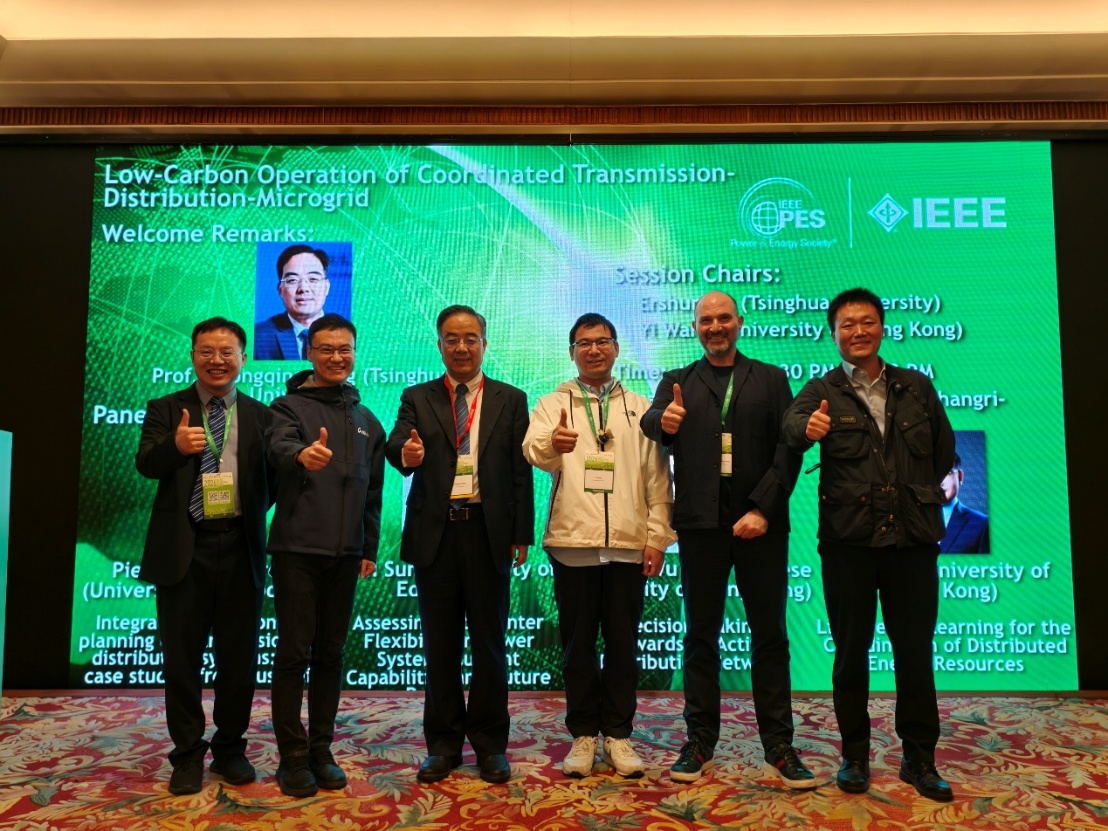
Professor Pierluigi Mancarella shared practical case studies on the integrated operation and planning of transmission and distribution networks in Australia. Researcher Wei Sun analyzed the flexibility of data centers within power systems and their future development prospects. Professor Wu Chenye explored decision-making mechanisms for active distribution networks. Professor Wang Yi introduced the application of lightweight learning in the coordination of distributed energy resources.
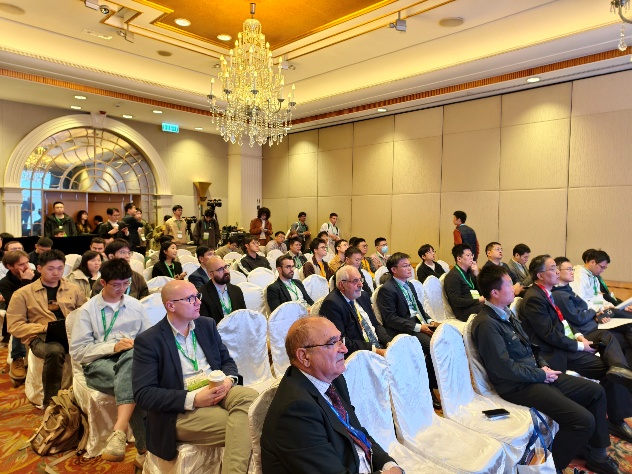
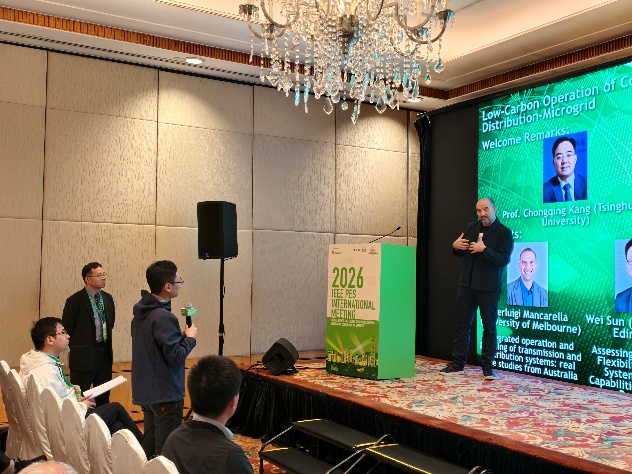
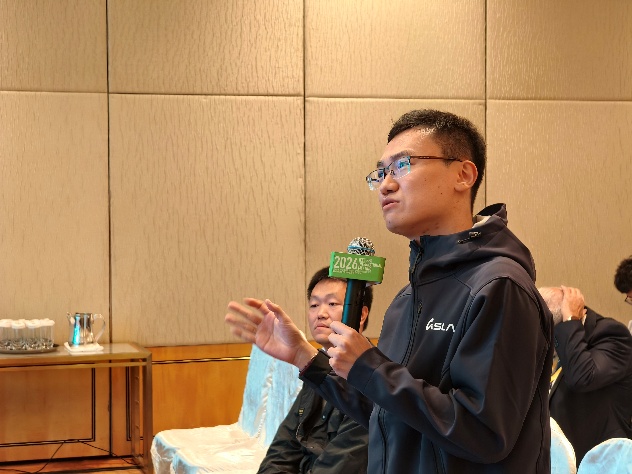
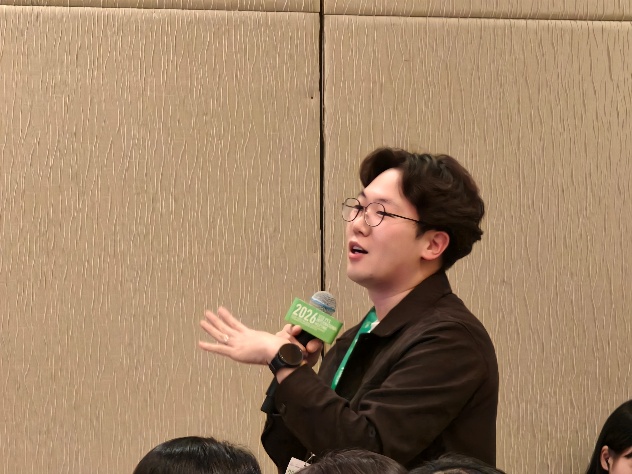
The international symposium attracted over 100 participants from numerous prestigious universities and research institutions both domestically and internationally. During the Q&A sessions following the presentations, attendees engaged in lively discussions with the keynote speakers. The successful organization of this international symposium fully demonstrated the academic leadership role of the NSFC integrated project and enhanced its international academic influence. Moving forward, the project team will fully assimilate the outcomes of the discussions at this symposium, continue to tackle the core technical challenges of low-carbon power dispatch coordinating main grids, distribution networks, and microgrids, and provide robust support with solid research results for China's low-carbon energy transition and the construction of new power systems.


 News & Events